Karwa Chauth Sargi Menu: What to Eat for Energy All Day
A balanced Karwa Chauth sargi plate (≈700 kcal, 24 g protein), what to avoid for thirst, and how to break a nirjala fast safely.
 EZMeal team
6 min read
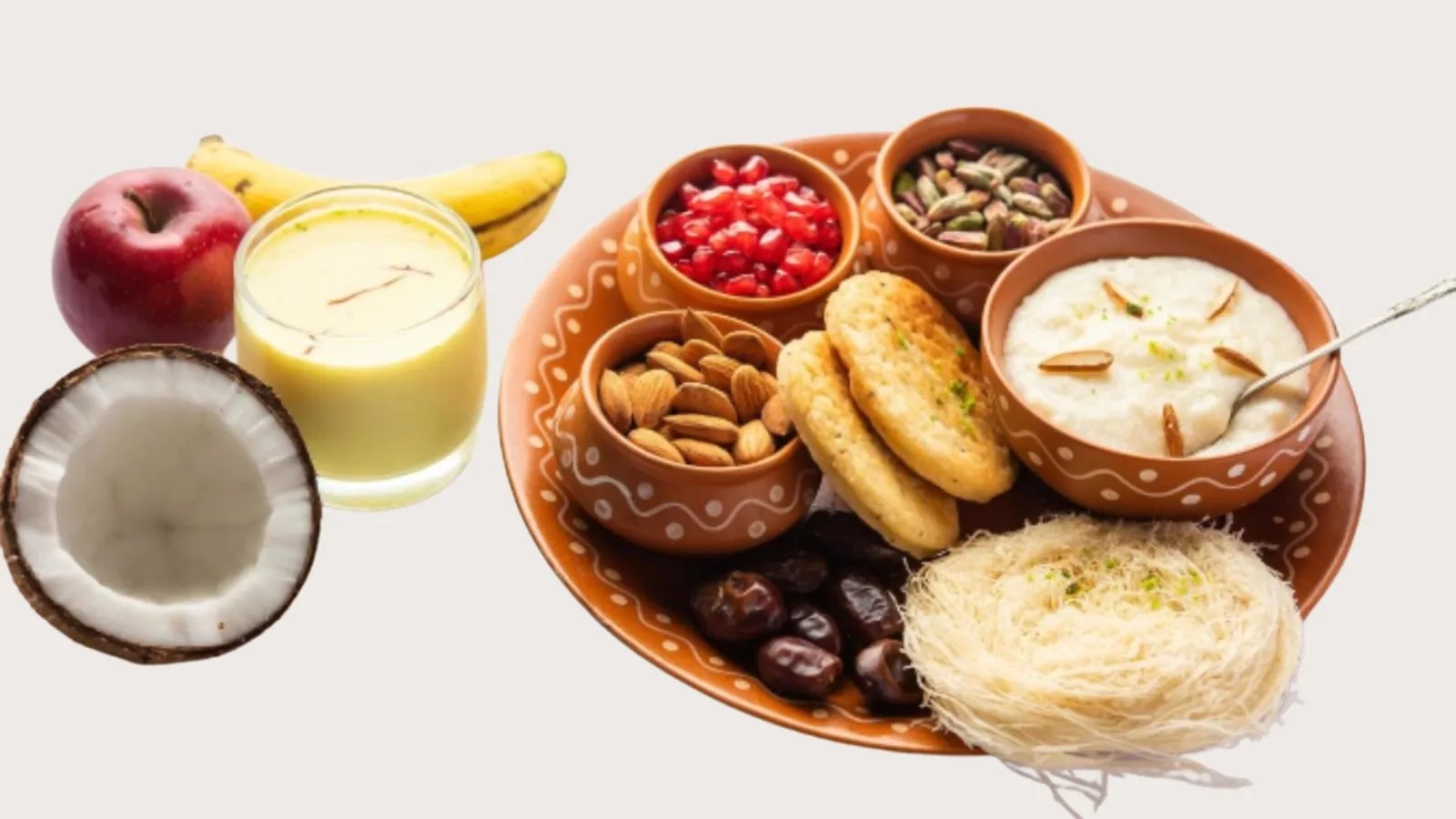
The best sargi combines water-rich foods (coconut water, fruit, curd), slow-digesting carbs (paratha, poha or seviyan in milk), protein (paneer, curd, milk, nuts) and a little healthy fat. Keep salty, fried and very sweet foods small — they make you thirsty during a no-water fast. Start drinking extra water the day before.
Karwa Chauth 2026 falls on Thursday, 29 October. Most women keep a nirjala fast — no food or water from sunrise until the moon is sighted, often 14 hours or more. Your sargi, eaten before sunrise, is the only fuel you get.
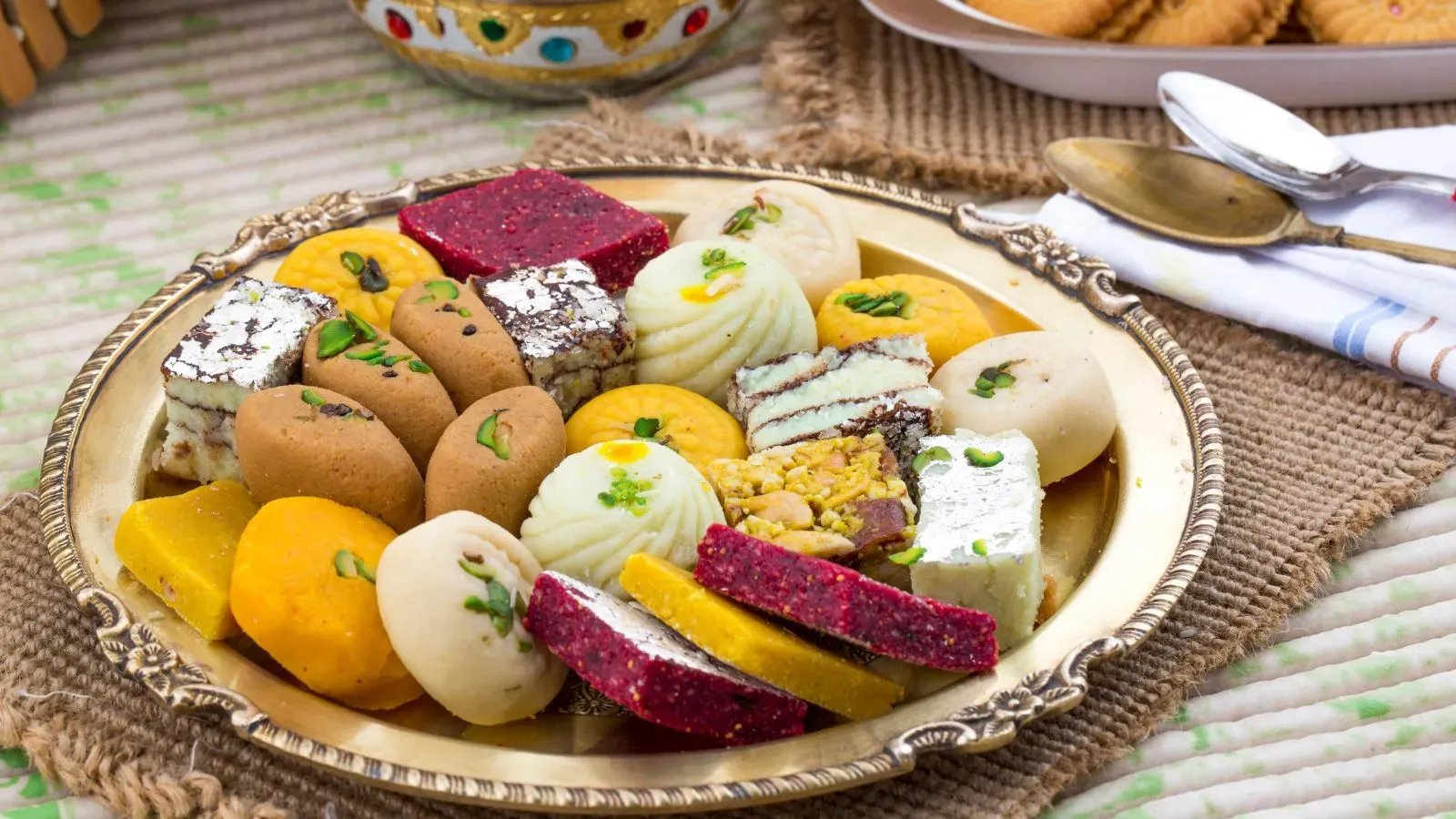
A traditional sargi plate is often heavy on mathri, mithai and feni. Those taste festive but leave you thirsty by noon and tired by evening. This guide keeps the tradition and adjusts the plate so you stay steady through the day.
The day before (28 October)
A good fast starts the day before. What you drink and eat on the 28th matters as much as the sargi itself.
Drink 2.5–3 litres of fluids spread through the day — water, chaas, nimbu pani, coconut water. You can't "store" water, but starting well hydrated helps.
Keep dinner light and low-salt. Dal, sabzi, roti and curd work well. Skip pickles, papad, namkeen and restaurant food, which make you thirsty the next day.
Cut back tea and coffee gradually if you usually drink several cups. A sudden stop on fast day can trigger a caffeine headache.
Sleep early. You'll be up at 4–5 am for sargi, and short sleep makes the fast feel much harder.
The balanced sargi plate
Eat sargi about 30–60 minutes before sunrise, slowly, over 20–30 minutes. This plate gives about 700 kcal and 24 g protein — enough to carry most women through the day without feeling stuffed.
Part of the plate | What to have | ≈ kcal | ≈ Protein (g) | Why |
|---|---|---|---|---|
Fluids | 1 glass water + 1 glass (200 ml) coconut water | 40 | 0.5 | Water plus natural electrolytes |
Traditional sweet | Small bowl seviyan or feni in milk (150 ml milk, 15 g seviyan, little or no sugar) | 170 | 6 | Keeps the tradition; milk adds protein and fluid |
Main | 1 paneer paratha (30 g paneer, 1 tsp ghee) | 230 | 8.5 | Slow-digesting carbs plus protein for steady energy |
Dairy | 1 bowl curd (150 g) | 90 | 5 | Protein, fluid and easy on the stomach |
Dry fruits | 5 soaked almonds + 2 walnut halves + 2 dates | 105 | 2.5 | Healthy fat and quick energy |
Fruit | 1 orange or a bowl of papaya + cucumber slices | 70 | 1 | High water content |
Values are estimates from Indian Food Composition Tables averages (±10%).
Swaps that work just as well:
Paneer paratha → 2 moong dal chilla, or 1 bowl vegetable poha with peanuts
Seviyan in milk → overnight soaked oats in milk with fruit
Watching weight? Skip the seviyan and have a glass of milk instead; the plate drops to about 650 kcal.
What to keep small in sargi
These foods aren't banned — they're part of the tradition — but large portions make the day harder.
Food | Why it's a problem on fast day | Better approach |
|---|---|---|
Mathri, namkeen, pickle, papad | Salt makes you thirsty within hours | 1 mathri at most, or skip |
Mithai and very sweet feni | Fast sugar spike, then a crash and cravings by mid-morning | A small portion, paired with milk or curd |
Fried puri, pakoras | Heavy and slow to digest at 4 am; can cause acidity | Roasted paratha or chilla instead |
More than 1 cup of tea or coffee | Mildly increases urination; acidity on an empty stomach later | 1 cup, and drink water alongside |
Very spicy food | Heartburn and thirst during the day | Mild seasoning |
Breaking the fast after moonrise
After 14+ hours without water, your stomach needs a gentle restart. Rushing into a heavy festive dinner is the most common cause of bloating, acidity and headaches that night.
Water first, slowly. Sip 1 glass of room-temperature water over a few minutes, not in one go.
Something light. 1–2 dates, a few pieces of fruit, or a glass of coconut water or nimbu pani.
Wait 15–20 minutes. Let your stomach settle while you finish the rituals.
Then a normal-sized dinner. Dal, sabzi, 2 roti and curd — or khichdi with curd if you feel queasy. Keep fried food and mithai to a small portion.
Keep drinking. Spread another 1–1.5 litres of water, chaas or soup through the evening.
If you feel faint, have a severe headache, palpitations or vomiting at any point during the day, break the fast with water and a light snack — your health comes first.
Who should be careful
A nirjala fast isn't safe for everyone. Many families accept a modified fast — water, milk or fruit (phalahar) through the day — and it still honours the tradition.
Check with your doctor before a waterless fast if you:
have diabetes, especially if you take insulin or sulfonylurea tablets (risk of dangerously low blood sugar)
are pregnant or breastfeeding
have kidney disease or a history of kidney stones
have low blood pressure, heart disease, or take blood-pressure or water tablets (diuretics)
take semaglutide or similar weight-loss medicines, which can worsen nausea and dehydration
have a history of fainting, migraines triggered by fasting, or an eating disorder
If you get the go-ahead to do a modified fast, keep the same sargi plate and add fluids — water, coconut water, milk or chaas — through the day.
FAQ
What should I eat in sargi to avoid feeling thirsty?
Focus on water-rich foods — coconut water, curd, milk, orange, papaya, cucumber — and keep salty foods like mathri, namkeen and pickle to a minimum. Salt is the biggest cause of thirst during the fast.
What time should I eat sargi?
Before sunrise, ideally starting 30–60 minutes before. Eating slowly over 20–30 minutes helps digestion and gives you time to drink enough fluids.
Is feni good for sargi?
Feni or seviyan soaked in milk is fine in a small bowl — the milk adds protein and fluid. A large portion with lots of sugar can cause an energy crash by mid-morning.
How can I avoid a headache during Karwa Chauth?
Drink well the day before, sleep early, have no more than 1 cup of tea in sargi, and if you're a heavy tea or coffee drinker, cut down in the days before so you don't get a caffeine-withdrawal headache.
Can diabetics keep the Karwa Chauth fast?
Only after talking to their doctor. People on insulin or certain diabetes tablets can develop dangerously low blood sugar during a long fast. A modified fast with fluids and small meals may be safer.
What should I eat after breaking the Karwa Chauth fast?
Start with water and a few dates or fruit, wait 15–20 minutes, then have a normal home meal like dal, sabzi, roti and curd. Avoid a large fried or very sweet meal straight away.
Sources
Boldsky — October 2026 festival calendar (Karwa Chauth on 29 October)
ICMR-NIN — Indian Food Composition Tables (IFCT 2017), for calorie and protein values
This article is general information for healthy adults, not medical advice. If you have a health condition, are pregnant or take regular medication, speak to your doctor or a registered dietitian before changing your diet.