A 1,500 calorie vegetarian Indian meal plan (one full day)
Roti, rajma, curd, palak paneer and chai: a full day of everyday North Indian food that adds up to about 1,500 kcal, with portions in katoris.
 EZMeal team
3 min read
EZMeal team
3 min read
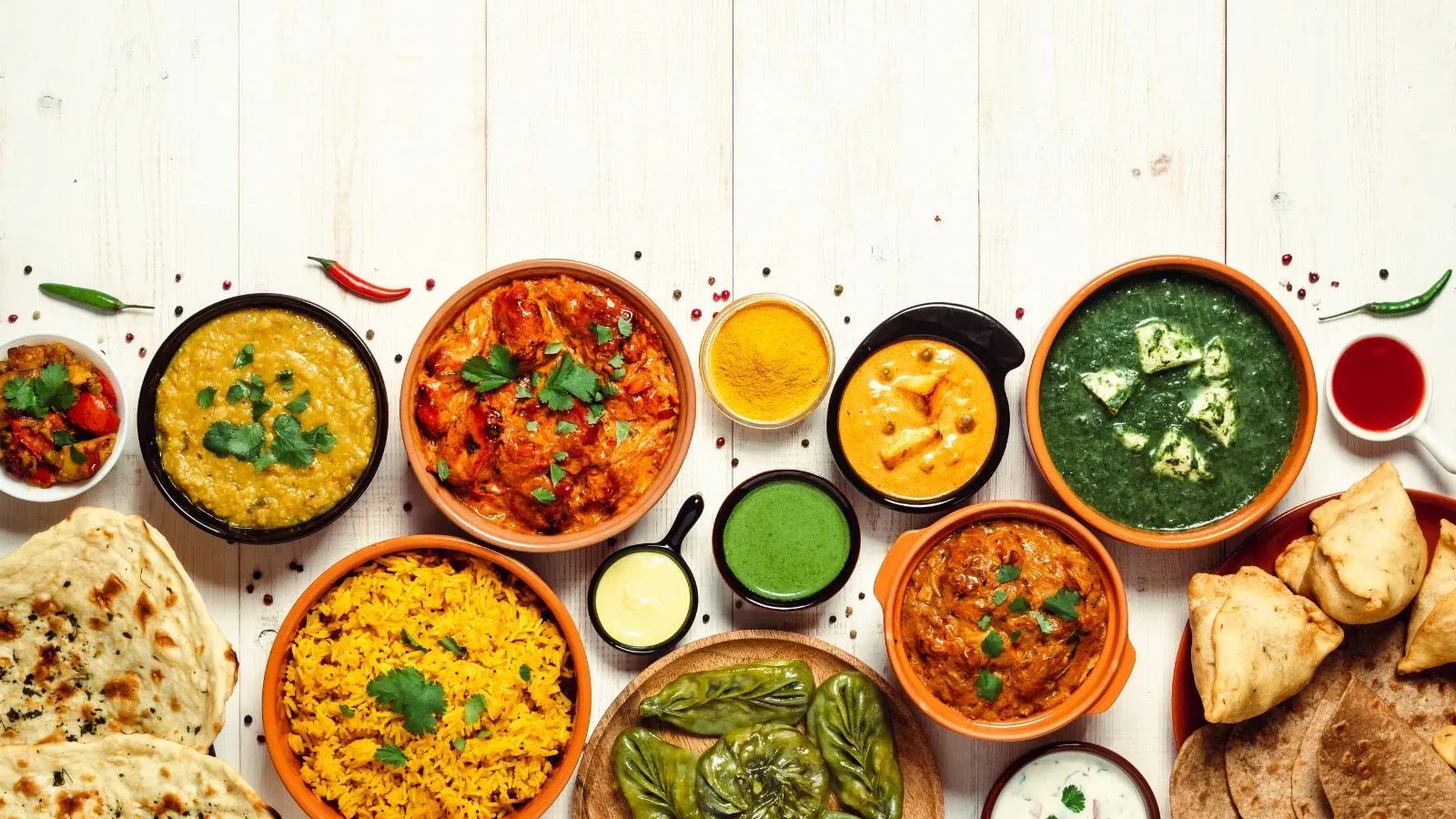
A 1,500 calorie day doesn’t have to mean salads and boiled vegetables. Below is one full day of ordinary North Indian vegetarian food: roti, rajma, curd, palak paneer and chai. Every portion is in pieces and katoris, so you can follow it without a food scale.
This is a sample day, not a prescription. Whether 1,500 calories is right for you depends on your age, height, weight, activity and goal.
The day at a glance
| Meal | What to eat | Calories | Protein |
|---|---|---|---|
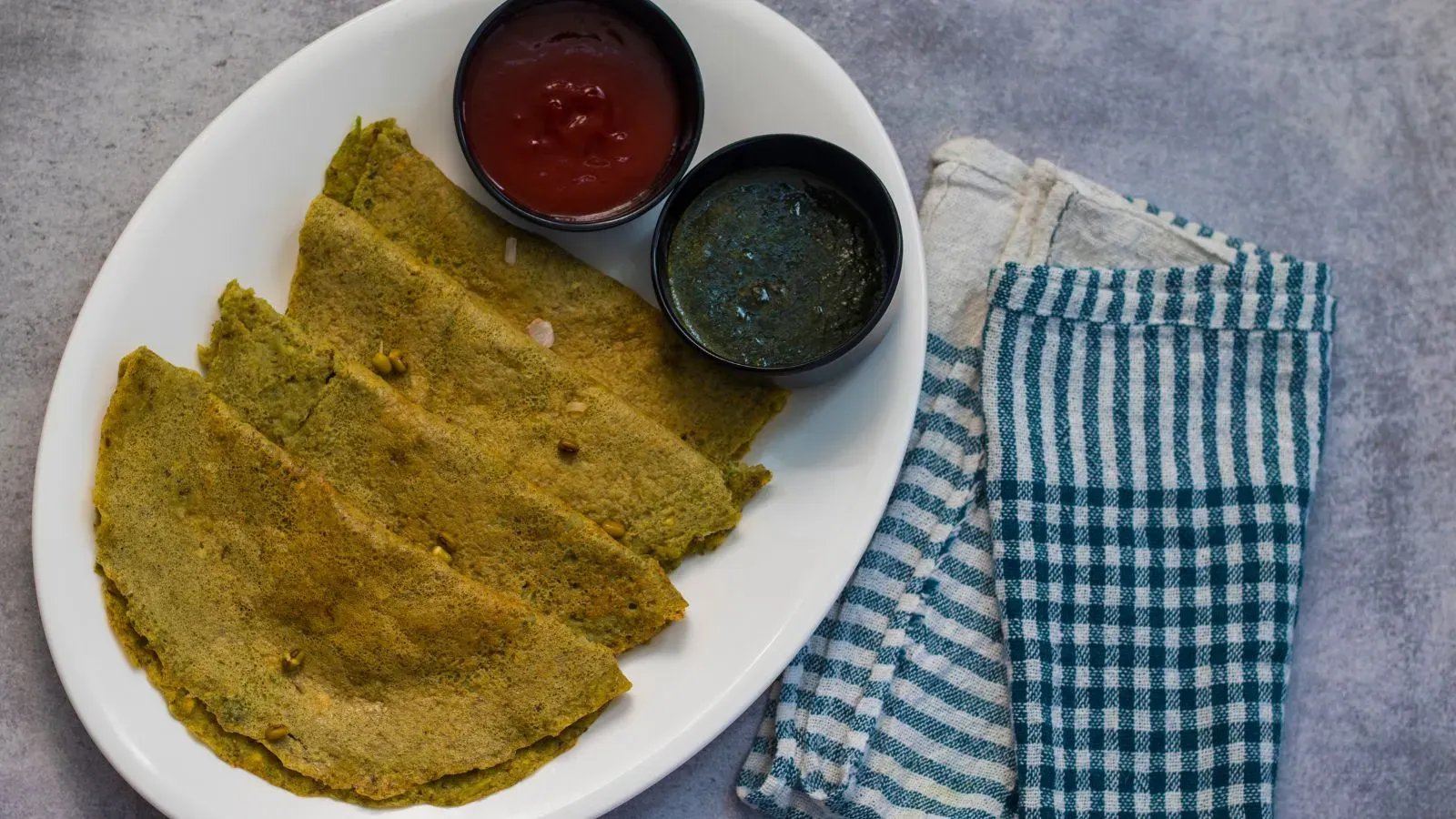
| Breakfast | 2 moong dal chilla, 2 tbsp green chutney | 368 kcal | 21 g |
| Lunch | 2 roti, 1 katori rajma, 1 katori curd, 1 katori kachumber salad | 461 kcal | 19 g |
| Evening snack | 1 cup chai with milk, 3 tbsp roasted chana | 166 kcal | 9 g |
| Dinner | 2 roti, 1 katori palak paneer, 1 katori lauki sabzi | 512 kcal | 23 g |
| Total | about 1,507 kcal | about 72 g |
The whole day also gives roughly 193 g carbohydrate, 46 g fat and 40 g fibre.
Portions, explained
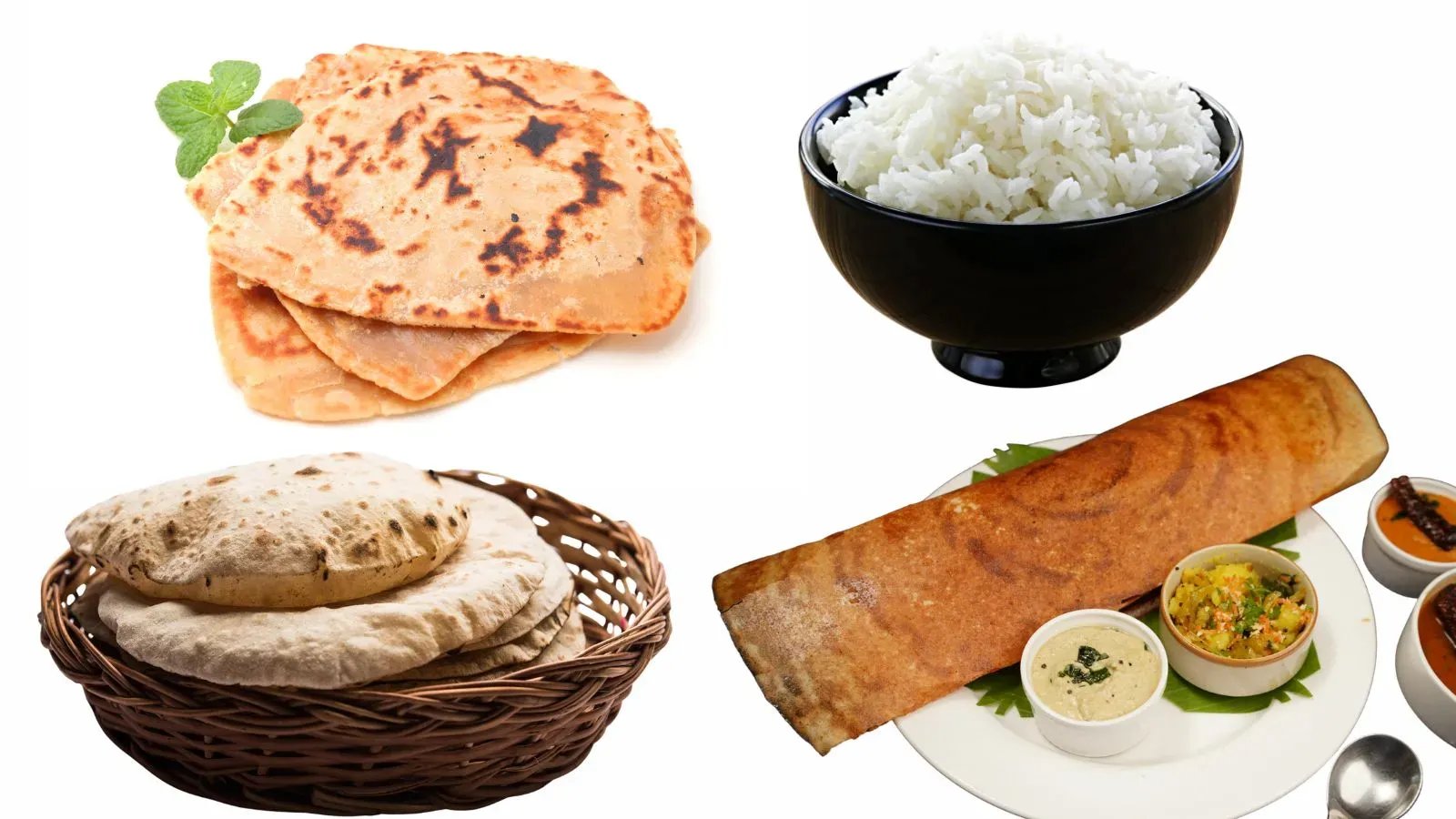
1 roti is a medium phulka made from about 30 g of atta (about 40 g cooked), without ghee.
1 katori is a standard small steel bowl of about 150 ml. Use the same katori every day so your portions stay consistent.
Moong dal chilla are made from soaked yellow moong dal, about 40 g dry dal each. See our moong dal chilla recipe.
Oil: the numbers include realistic home cooking oil. Measure it with a teaspoon rather than pouring from the bottle.
Breakfast: moong dal chilla (368 kcal, 21 g protein)
Two chillas with green chutney. They take about 15 minutes once the batter is ready, and they keep you full through the morning. Short on time? Swap in 1 plate of poha with a glass of chaas.
Lunch: roti, rajma and curd (461 kcal, 19 g protein)
A classic home lunch. Rajma and curd together give a good amount of protein, and the salad adds volume for very few calories. If you carry a tiffin, pack the rajma and curd in separate containers.
Evening snack: chai and roasted chana (166 kcal, 9 g protein)
Roasted chana is one of the best value snacks in an Indian kitchen: crunchy, filling and higher in protein than biscuits or namkeen. Three tablespoons is about 30 g.
Dinner: roti, palak paneer and lauki (512 kcal, 23 g protein)
Palak paneer brings most of the day’s fat, which is why the rest of the day is kept light on ghee and oil. Lauki sabzi fills the plate without adding many calories.
Need more protein?
This day gives about 72 g of protein. Many people aim higher, especially when losing fat. Easy vegetarian swaps:
Replace the evening chana with a bowl of hung curd and fruit (about 11 g protein).
Use soya chunks curry instead of rajma at lunch (about 17 g protein per katori instead of 9 g).
Add a glass of milk at breakfast (about 6 g protein).
Want a full week like this, sized to your own body and goal? EZMeal works out your calorie and protein targets and builds 7 days of meals with portions and a grocery list.
A note on the numbers
Calories and protein are estimates based on Indian food composition data (IFCT 2017) and typical home recipes. Your roti, katori and cooking oil may differ a little, and that’s fine: consistency matters more than precision.
This article is general information for healthy adults, not medical advice. If you have a health condition, are pregnant or take regular medication, speak to your doctor or a registered dietitian before changing your diet.