Semaglutide Diet Plan: What to Eat (Indian Veg & Non-Veg)
What to eat on semaglutide with Indian food: protein targets, veg and non-veg meal plans, and foods for nausea and constipation.
 EZMeal team
8 min read
EZMeal team
8 min read
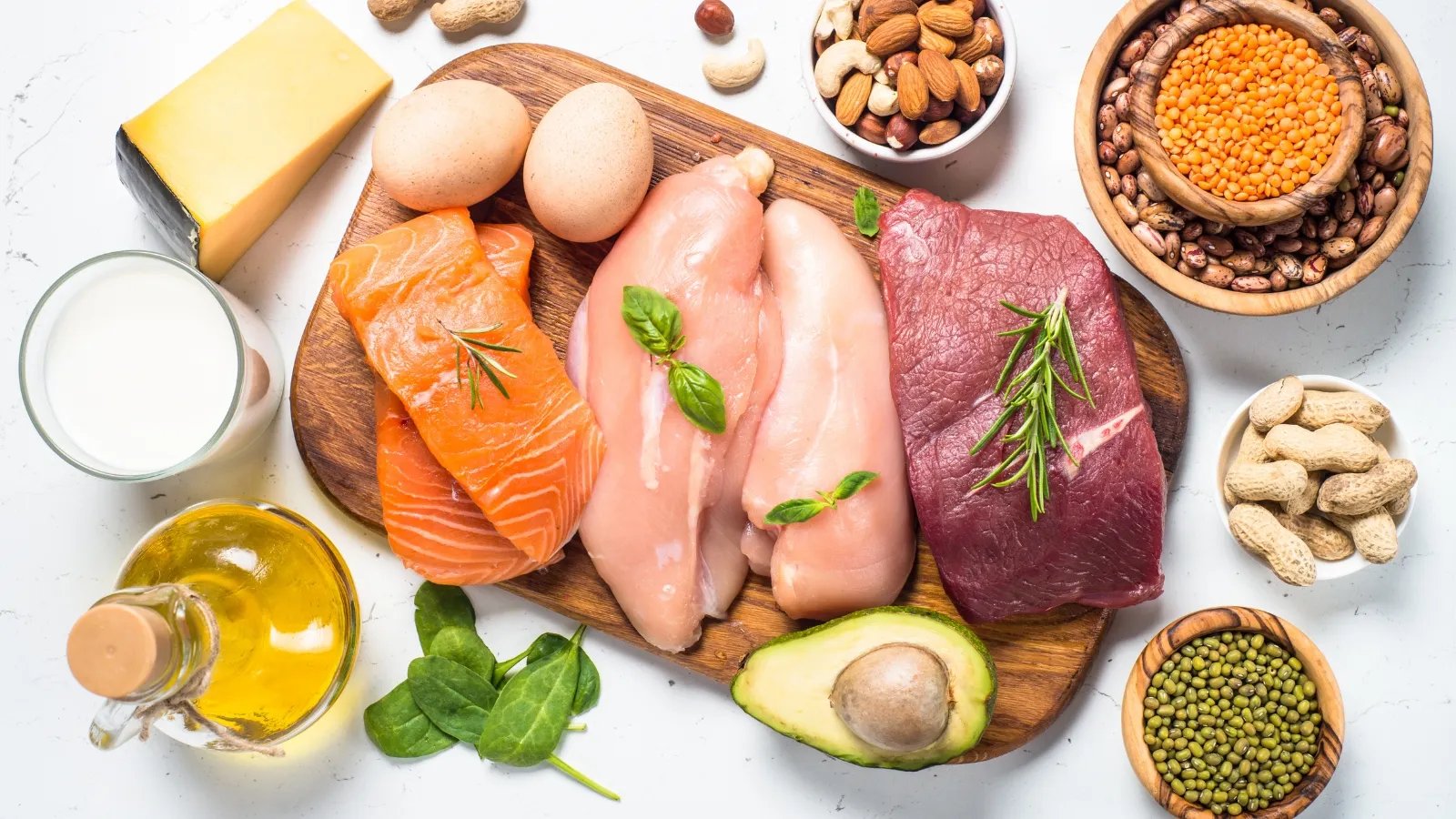
On semaglutide, eat 5–6 small meals instead of 3 big ones, eat the protein part of each meal first, and aim for roughly 80–100 g protein a day from foods like hung curd, paneer, soya, dal, eggs, chicken and fish. Pair this with strength training 3 times a week to protect muscle. Limit fried food, sweets and large portions, which worsen nausea.
This article is general nutrition guidance for adults already prescribed semaglutide. It is not advice on whether to take the medicine or how to dose it — that is for your doctor.
Since semaglutide's patent expired in India in March 2026, dozens of generic brands have launched and prices have dropped. Many more Indians are now using it for weight loss or diabetes — and most of the diet advice online is written for Western food: turkey, salmon, halloumi.
This guide translates the latest expert advice into dal, roti, paneer and curd. It covers how much protein you need, a full day of vegetarian and non-veg meals, what to eat when you feel nauseous or constipated, and why strength training matters as much as food.
Why diet still matters on semaglutide
Semaglutide cuts appetite, but what you eat decides how much of the lost weight is fat versus muscle, and how bad the side effects feel. A 2025 joint advisory from four US obesity and nutrition societies highlights three problems:
You eat much less without noticing. People on GLP-1 medicines eat 16–39% fewer calories. Below about 1,200 kcal (women) or 1,800 kcal (men), it becomes hard to get enough iron, calcium, B12, vitamin D and other nutrients.
Muscle goes with the fat. In the main semaglutide trial (STEP 1), about 38% of the weight lost was lean mass, not fat. Without enough protein and strength training, you can end up lighter but weaker.
Stomach side effects are common. In trials, 44% of people on semaglutide 2.4 mg had nausea (16% on placebo) and 24% had constipation. These usually ease after the first weeks and after each dose increase, and food choices make a real difference.
The good news: Indian home food — dal, curd, sabzi, roti — is a strong base for all three. It just needs more protein per bite and smaller portions.
How much protein you need
Aim for about 80–100 g of protein a day; the advisory suggests 80–120 g as a practical target. That is well above the usual 0.8 g per kg body weight, because higher intakes (1.2–1.6 g/kg) help protect muscle while you are losing weight quickly. Don't go below 0.4–0.5 g/kg, and don't stay above 2 g/kg for long.
If your appetite is very low, start where you can — even 60 g — and build up over 2–3 weeks.
With a small appetite, choose protein-dense, low-volume foods: more protein in fewer bites.
Food | Portion | ≈ Protein (g) | ≈ kcal |
|---|---|---|---|
Chicken breast (cooked) | 100 g | 25–30 | 165 |
Whey protein | 1 scoop (30 g) | 24 | 120 |
Fish (rohu, surmai) | 100 g | 18–20 | 110–130 |
Soya chunks | 25 g dry | 13 | 85 |
Moong dal chilla | 2 (50 g dal) | 12 | 200 |
Eggs | 2 whole | 12 | 140 |
Firm tofu | 100 g | 10–12 | 120 |
Hung curd / Greek yoghurt | 150 g | 9–10 | 120–150 |
Paneer | 50 g | 9 | 145 |
Toned milk | 250 ml | 8 | 145 |
Sattu | 30 g | 6–7 | 120 |
Roasted chana | 30 g | 6 | 110 |
Cooked dal | ½ katori | 4 | 70 |
Eat protein first. Start each meal with the paneer, dal, curd, egg or chicken, then the vegetables, then roti or rice. If you fill up early, the protein is already in.
A sample day of eating (vegetarian and non-veg)
Both days use small meals every 3–4 hours, which the advisory recommends for nausea and low appetite. Calories and protein are estimates (±10%); your doctor or dietitian may set a different calorie target.
Vegetarian day — ≈1,380 kcal, ≈78 g protein
Time | Meal | ≈ Protein (g) |
|---|---|---|
8 am | 150 g hung curd + 1 tsp chia seeds + a few pieces of papaya | 10 |
11 am | 2 moong dal chilla with 30 g paneer filling | 17 |
2 pm | 1 roti + ½ katori dal + soya matar (25 g soya) + vegetable sabzi | 21 |
5 pm | Sattu drink (30 g sattu, water, lemon, roasted jeera) | 7 |
8 pm | Paneer bhurji (75 g) + sautéed vegetables + ½ roti | 17 |
10 pm (optional) | 200 ml warm toned milk | 6 |
Non-veg day — ≈1,250 kcal, ≈82 g protein
Time | Meal | ≈ Protein (g) |
|---|---|---|
8 am | 2-egg bhurji + ½ roti | 14 |
11 am | 150 g hung curd + 1 small fruit | 10 |
2 pm | 1 roti + 100 g chicken breast curry (1 tsp oil) + ½ katori dal + salad | 31 |
5 pm | Buttermilk + 30 g roasted chana | 8 |
8 pm | 100 g grilled fish tikka + sautéed vegetables + ½ katori rice | 20 |
Can't finish it? Drop the roti or rice first, never the protein. A 1-scoop whey or soy protein shake in milk (about 24 g protein) can stand in for a meal on bad-appetite days.
Eating around the side effects
Side effects are worst in the first weeks and after each dose increase. These Indian food choices follow the advisory's guidance; if a symptom is severe or lasts more than a few days, call your doctor.
Side effect | Try | Avoid or reduce |
|---|---|---|
Nausea | A small breakfast within an hour of waking; small meals every 3–4 hours; plain khichdi, curd rice, idli, toast; ginger or peppermint tea; sip fluids between meals | Long gaps without food, large meals, fried and oily food, very spicy gravies |
Constipation | 2.5–3 L fluids a day; slowly add papaya, guava, prunes, soaked raisins, sabzi, isabgol; daily walks | Dehydration; adding lots of fibre all at once |
Diarrhoea | Small meals, curd, banana, plain rice, ORS or nimbu-pani with salt to replace fluids | Large or high-fat meals, rich gravies, alcohol |
Acidity / reflux | Smaller dinner 3 hours before bed; stay upright after meals | Late heavy dinners, fried snacks, alcohol, excess tea or coffee |
No appetite at all | Phone reminders to eat; liquid protein (milk, sattu, lassi without sugar, protein shake); soups like dal shorba | Skipping meals all day and then eating a large one |
Get urgent medical help for severe stomach pain (especially spreading to the back), vomiting that won't stop, signs of dehydration (very little urine, dizziness), or yellowing of the eyes or skin.
Strength training: the part most people skip
Protein alone won't hold on to muscle. The advisory is clear that extra protein without strength training is likely not enough, and recommends strength training at least 3 times a week plus 150 minutes of moderate cardio (brisk walking counts).
As a trainer, this is the biggest gap I see. People on semaglutide walk more, but rarely lift. A simple home routine is enough to start:
Exercise | Sets × reps | Easier version |
|---|---|---|
Chair squats | 3 × 10–12 | Sit-to-stand from a higher chair |
Push-ups | 3 × 8–10 | Against a wall or kitchen counter |
Backpack rows | 3 × 10–12 | Resistance band rows |
Glute bridges | 3 × 12–15 | Smaller range of motion |
Plank | 3 × 20–30 seconds | On knees |
Add load slowly — a backpack with books, water bottles, or bands — as reps get easy. If you have joint, heart or blood-pressure problems, get cleared by your doctor first.
What to limit — and planning for after
Limit these: maida and white-flour snacks, sugar and mithai, sweetened drinks and packaged juice, fried namkeen, processed meats, and alcohol (it worsens nausea and reflux). You don't need to ban them — the advisory suggests small, planned treats — but they crowd out protein when your appetite is small.
Ask about supplements. Because intake drops so much, your doctor may check vitamin D, B12 and iron, or suggest a multivitamin, calcium or vitamin D. Vegetarians are especially prone to low B12.
Build habits for life after the medicine. Studies show people can regain up to two-thirds of the lost weight within a year of stopping a GLP-1 medicine. The meal pattern, protein habit and strength routine you build now are what you keep when the injections stop.
FAQ
Can I eat roti and rice on semaglutide?
Yes, in smaller portions. Have 1 roti or ½–1 katori rice per meal, eaten after the protein and vegetables. Whole-wheat roti, millets and brown or parboiled rice are better choices than maida or white bread.
Can vegetarians get enough protein on semaglutide?
Yes, but it takes planning because appetite is low. Build each meal around hung curd, paneer, soya, tofu, moong dal chilla or sattu. A whey or soy protein shake helps on low-appetite days.
Should I take protein powder?
It's optional, not required. It's useful when you can't eat enough food — one scoop gives about 24 g protein in a small volume. Choose a plain whey or soy powder with no added sugar and check with your doctor if you have kidney disease.
What should I eat when I feel nauseous?
Small, plain, low-fat meals: khichdi, curd rice, idli, toast, a banana or ginger tea. Eat a small breakfast soon after waking and don't go more than 3–4 hours without food — empty-stomach nausea is common.
Can I fast (Navratri, Karwa Chauth, Ramzan) on semaglutide?
Talk to your doctor before fasting. Long fasts make nausea and dehydration worse, and people with diabetes on insulin or sulfonylureas can get dangerously low blood sugar. If allowed, keep protein high at the meals you do eat and drink enough water.
Will I regain weight when I stop semaglutide?
Many people regain some weight — up to two-thirds within a year in studies. Keeping the high-protein eating pattern and regular strength training reduces this risk.
Sources
Medical Dialogues — semaglutide patent expiry and generic launches in India (Mar 2026)
BioSpectrum — Sun Pharma DCGI approval for generic semaglutide (Jan 2026)
ICMR-NIN — Indian Food Composition Tables (IFCT 2017), for protein and calorie values
Want a semaglutide-friendly Indian meal plan built around your weight, protein target and food preferences? EZMeal creates one with a grocery list in a few minutes.
This article is general information for healthy adults, not medical advice. If you have a health condition, are pregnant or take regular medication, speak to your doctor or a registered dietitian before changing your diet.